Family Cake Topper Embroidery Design Review
When evaluating an embroidery design for real-world use, I look beyond the aesthetics and consider how it performs in practical applications. Family Cake Topper is a digital embroidery file that immediately caught my eye with its warm, celebratory vibe and clean layout. As a designer who frequently works on custom apparel, personalized gifts, and small shop merchandise, I wanted to see how this design would translate from screen to fabric—especially when used in handmade or commercial projects.
A First Look: Mood and Visual Personality
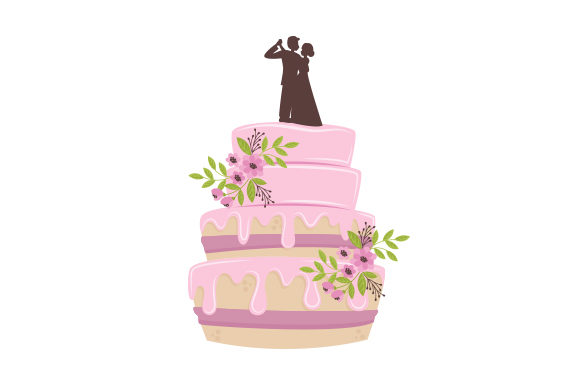
The Family Cake Topper design brings a sense of joy and unity to any project. Its central motif—a stylized cake adorned with the word “Family” and whimsical topper details—evokes a cozy, heartfelt sentiment. The layout is balanced and not overly cluttered, which makes it versatile for various surfaces and sizes. The level of detail is moderate, leaning more toward simple elegance than intricate patterns, making it ideal for designs that need to remain legible and recognizable at different scales.
I found the visual personality of this design to be both approachable and professional. It doesn’t scream for attention but still holds its own in terms of charm and clarity. This kind of subtlety is perfect for projects where you want to convey warmth without overwhelming the viewer.
Real-World Application Scenarios
One of the first ideas that came to mind was using this design on a custom sweatshirt for a family celebration. Imagine a soft grey hoodie with a white satin-stitched Family Cake Topper across the chest. The contrast is inviting and would make a great conversation starter. For tote bags, especially those intended as wedding gifts or holiday keepsakes, the design adds a personal touch without being too fussy.
In baby items like onesies or aprons, the design could serve as a sweet, modern alternative to traditional family-themed motifs. However, because of the text involved, I’d suggest using it only on larger formats to ensure legibility. On patches, particularly embroidered patches for caps or jackets, the simplicity of the design shines through, making it easy to stitch cleanly and effectively.
For handmade products, such as pillow covers or tea towels, the design can enhance the perceived value of the item. It’s a subtle way to add meaning and customization, especially for Etsy sellers or craft fair vendors aiming to offer something unique yet relatable.
Commercial Projects and Branding
If you're an embroidery designer or part of a craft business, this design could be a strong addition to your product line. It fits well within the context of wedding-related items and family-centric branding. For instance, if you sell small shop products with a focus on family events, the Family Cake Topper could be used on napkins, aprons, or even as part of a set with other related designs.
As a digital embroidery file, it also works well for printable mockups. If you’re selling digital assets, this design can be included in a bundle focused on holiday gifts or personalized products. Its adaptability means it can be resized for preview images or layered into other designs to create a cohesive theme.
Where to Use Carefully
While Family Cake Topper is a solid choice for many projects, there are situations where caution is needed. For starters, if you plan to stitch it in a small hoop size, say under 4x4 inches, the text might become too compressed and lose its readability. Always confirm the hoop size before purchasing or downloading the file.
Textured fabrics, like denim or canvas, may challenge the finer elements of the design. You’ll want to test the stitch density to avoid stitches getting lost in the fabric grain. Thin or stretchy materials, such as some cotton blends or knits, require extra stabilizer support to maintain the shape and clarity of the design after stitching.
Dark-colored fabrics are another consideration. The default thread color palette might not provide enough contrast against black or navy backgrounds. In these cases, testing the design with lighter thread colors or metallic accents can help it pop more effectively.
Curved surfaces, such as caps or curved seams on garments, can distort the proportions of the design. Since this is a flat layout, it’s best suited for smooth, even areas. If you’re planning to apply it to a curved surface, consider adjusting the placement or using a flexible backing material.
Visual Appeal and Customer Reaction
Visually, the Family Cake Topper has a lot going for it. The rounded edges and soft typography give it a friendly, approachable feel. Customers tend to respond positively to designs that carry emotional weight, and this one does just that. Whether it's a gift for a new parent or a keepsake for a family milestone, the design feels personal and thoughtful.
However, keep in mind that the design is meant to be seen and appreciated. Dense stitch areas might affect the overall drape of the fabric, so for wearable items like sweatshirts or tote bags, balance the coverage with the garment’s function. Too much stitching could lead to stiffness or reduced comfort over time.
Thread Color Considerations
Thread color plays a big role in how the design looks. The default settings likely work well on light-colored fabrics, but if you’re working with pastels or darker tones, you’ll need to adjust accordingly. Using a black and white mockup can help visualize how the design will appear with different thread palettes. A few strategic changes in color can elevate the design from standard to standout.
Design Notes for Embroidery Success
- Test on scrap fabric: Before committing to a client project or batch order, always stitch the design on a sample piece to assess how it looks and behaves.
- Review stitch density: Especially around the lettering and cake outline, too much density can cause puckering or distortion. Adjust as needed based on fabric type.
- Confirm hoop size: While the exact dimensions aren't provided, knowing the recommended hoop size is essential for proper scaling and alignment.
- Inspect small details: Check if the design includes tiny elements that may be hard to execute consistently, especially on thinner threads or delicate fabrics.
- Use proper stabilizer: Depending on your fabric, tear-away or cut-away stabilizers may be necessary to prevent shifting or warping during stitching.
- Check licensing: If you're planning to sell finished products or digital embroidery files, confirm whether the design allows for commercial use. Some designs come with restrictions that must be respected.
Stitch Type Breakdown
This design likely uses a combination of satin stitch for the main shapes and fill stitch for the cake texture. The text is probably outlined with running stitch or backstitch for definition. Understanding how each element is stitched helps in anticipating how it will look once completed.
If you're working with multiple layers or mixed materials (like a tote made from linen and felt), pay close attention to how the design interacts with each layer. Stitch tension and fabric compatibility can vary, and what looks good on a single layer might not hold up on a multi-layered project.
Project Value and Brand Consistency
From a business standpoint, Family Cake Topper offers a nice blend of emotional appeal and practicality. It can increase the perceived product value by adding a meaningful, customizable element. For Etsy sellers and handmade shop owners, this is a key advantage.
Brand consistency is another area to consider. If your brand focuses on minimalist or vintage-style designs, this modern, cheerful layout might not align perfectly. But if your aesthetic leans toward contemporary, home-friendly themes, it could be a great fit. Use it as part of a curated collection of similar designs to maintain a cohesive look across your offerings.
Final Thoughts for Makers and Sellers
In summary, Family Cake Topper is a design that deserves a place in your creative toolkit. It brings a sense of celebration and connection to any project, from a personalized baby blanket to a boutique line of embroidered totes. Its flexibility across formats like SVG, PNG, EPS, and DXF makes it accessible for both hobbyists and professionals alike.
That said, treat it with care in certain contexts. Avoid stretching it beyond its scale, be mindful of fabric types, and always do a test run. These steps will ensure that your final product meets customer expectations and reflects the quality they associate with your handmade product or commercial embroidery services.
Whether you're looking to expand your design assets or create something special for a client, this is a design worth considering—but never without a stitch test. After all, the proof is in the fabric.