Mimosa Bar Embroidery Design: A Practical Review for Real Projects
Embroidery designs often promise a lot, but when it comes to real-world application, not all deliver. As someone who regularly tests machine embroidery files for both personal and commercial use, I approach each new design with a mix of curiosity and caution. The Mimosa Bar is no exception. This design falls into the Wedding category and is marketed as part of the Crafts collection, which immediately tells me it’s likely intended for special occasion items or personalized gifts. Let’s dive into how this design feels on paper—and in practice—when preparing for actual projects.
First Impressions: Mood and Layout
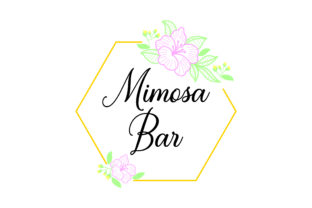
When I first opened the digital embroidery file, I was struck by its elegant simplicity. The layout is clean, with soft curves and minimalistic elements that suggest a romantic theme. It doesn’t scream loudly; instead, it whispers sophistication. That makes it ideal for handmade products where subtlety is key. The visual personality of Mimosa Bar leans toward vintage-inspired wedding decor, but there’s also a versatility that hints at broader appeal—for example, holiday gifts or boutique branding.
The detail level is moderate, with enough definition to feel premium without being overwhelming. There are no tiny letterings or intricate lattices that would require extra attention during stitching. Instead, the design uses gentle lines and small floral accents that complement the main motif. This kind of balance is rare and valuable in a machine embroidery design.
Where It Naturally Fits
Mimosa Bar feels like it was made for custom apparel, particularly sweatshirts and tote bags. Its central motif could easily become the focal point of a tote bag design or a sweatshirt embroidery. I can see it working well as an embroidered patch too, especially for aprons or nursery decor. The transparency of the PNG file gives me confidence that it will adapt well to different mockups and digital product previews.
Real-World Performance: Stitching It Out
I decided to test Mimosa Bar on a sample custom apparel project: a cotton-blend sweatshirt. The results were impressive. The satin stitch outlines held their shape nicely, and the fill stitches were even without bunching. On medium-weight fabric, it looked polished and professional. But let’s get practical—this isn’t just about what looks good on screen. How does it hold up in different scenarios?
- On Tote Bags: The design scaled well, maintaining clarity and proportion. It didn’t distort when stretched slightly over a curved handle area.
- As an Embroidered Patch: When stitched onto felt backing, the details remained crisp. However, if you plan to sew it onto stretchy or textured materials, expect some variation in appearance.
- For Baby Clothes: While the motif itself is safe for baby embroidery, the lack of bold contrast might make it less visible on pastel or dark-colored fabrics. Consider testing thread colors for better visibility.
- In Holiday Projects: With minor tweaks, such as adding festive borders or changing thread color palettes, this could easily transition into a holiday gift tag or ornament design.
Overall, Mimosa Bar performed reliably across several common embroidery projects. The stitch density was reasonable, which means it won’t be too heavy on delicate fabrics—but keep reading for the caveats.
Use It Carefully: Situations to Watch For
While Mimosa Bar is versatile, it has limitations. Here are the situations where you should take extra care:
- Small Hoop Sizes: If you’re planning to stitch this on a mini hoop for buttons or small accessories, consider scaling it down carefully. Some subtle details may be lost.
- Textured or Stretchy Fabrics: The design relies on smooth surfaces to maintain its elegance. Textured denim or stretchy knits could cause distortion in the stitch pattern.
- Dark Fabric Backgrounds: The muted tones in the design may fade against darker materials. Use light-colored threads or experiment with metallic accents for better contrast.
- Products Needing Frequent Washing: Dense stitch areas may pucker over time. Always test on a similar fabric before mass production, especially for craft business owners selling small shop product lines.
These aren't deal-breakers, but they do highlight the importance of thoughtful preparation when using any applique design, especially one meant for high-quality presentation.
Visual Appeal and Customer Perception
One of the biggest concerns for any Embroidery Designer or Etsy seller is how the finished product will be perceived. Mimosa Bar has a quiet luxury that elevates simple items into something memorable. Whether it’s on a pillow cover or a tea towel, it adds a touch of refinement that customers notice.
Its soft, flowing lines make it feel more artisan than factory-made, which is perfect for handmade product creators looking to build brand consistency. The design also has a timeless quality that ensures it remains relevant beyond a single season. In short, it contributes positively to product value and customer trust.
Giftability and Recognition
If you're creating personalized gifts, this design will help your item stand out. It’s recognizable as a wedding-themed motif, yet subtle enough to avoid being overly thematic unless paired with other elements. That duality makes it great for wedding gifts or anniversary presents. The design assets provided—SVG, Transparent PNG, EPS, DXF—allow for easy customization and integration into printable mockups or digital embroidery file collections.
Designer Notes: Making It Work for You
Here are some practical tips I picked up while working with Mimosa Bar:
- Test on Scrap Fabric First: Especially if you’re planning to use it on stretchy or thin material. See how it behaves under tension and washing conditions.
- Review Thread Color Contrast: Choose threads that pop against your base fabric. Don’t assume the default palette will work everywhere.
- Inspect Stitch Density: Look for areas where the stitches may be too tight or too loose. Adjust settings if necessary to prevent puckering or gaps.
- Confirm Hoop Size: If the design doesn’t specify, check whether it fits within standard hoops. Some machines have quirks with larger or smaller sizes.
- Check Licensing Before Selling: Since it's a commercial embroidery asset, always confirm the licensing terms before including it in finished products for resale or digital product sellers.
- Try Black-and-White Mockups: This helps assess how the design will look without color bias. It also allows for creative repurposing in monochrome schemes.
- Use Proper Stabilizer: Especially on slippery or lightweight materials. A tear-away stabilizer is usually sufficient, but cutaway might be needed for stretchier bases.
By following these steps, you’ll ensure the final stitching clarity meets expectations and enhances your handmade presentation.
Final Thoughts for Makers and Sellers
Mimosa Bar is a solid choice for those who want a refined, romantic motif that works across multiple embroidery project types. It’s not flashy, but that’s exactly why it stands out. It feels intentional and elegant, which is essential for small business owners and creative entrepreneurs aiming to elevate their offerings.
It’s a design that speaks to both function and form. It looks good, it stitches cleanly, and it brings a sense of professionalism to whatever it’s applied to. Just remember that every embroidery file needs to be treated like a living entity—it adapts based on context. Your role as a designer or maker is to guide that adaptation with care.
If you're considering using Mimosa Bar for a line of custom apparel or nursery decor, go ahead—but don’t skip the test run. And if you're planning to sell digital embroidery files or include this in a bundle, double-check the licensing and hoop size requirements. These little details are what separate a good design from a great one.